


| “I’m not a technical figure: I’m the problem solver.” |
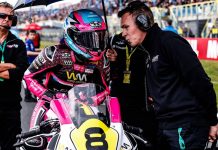
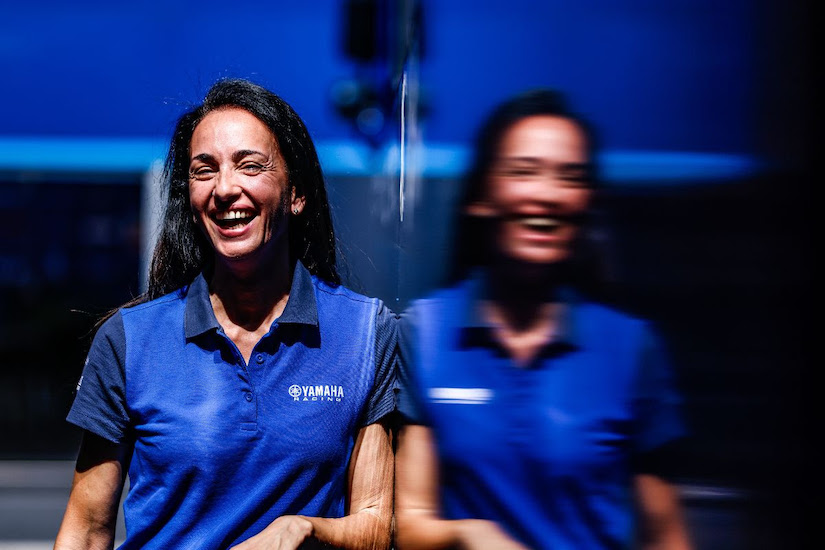
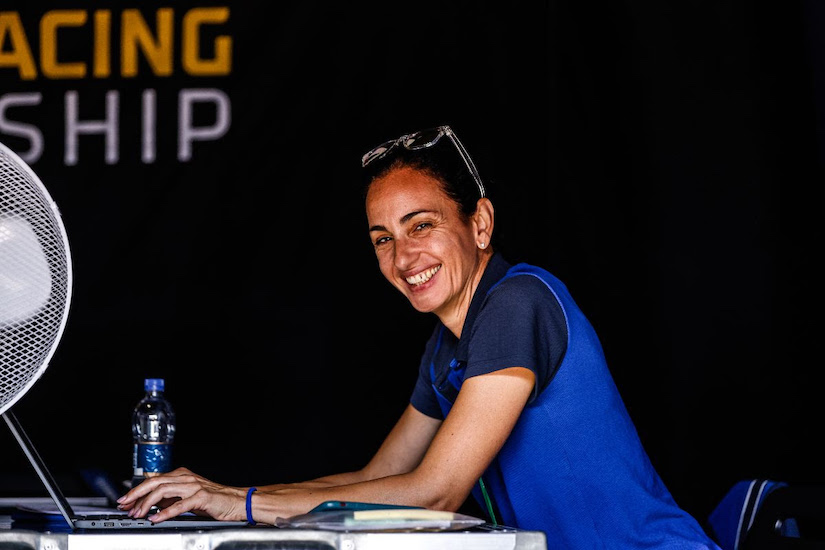
| I’m a coordinator for both the R3 bLU cRU World Cup and WorldWCR. I take care of logistics and organise travel for my staff – around 25 people across both championships. I’m also the liaison between Dorna, the technicians, the riders and their families, because the bLU cRU riders are aged between 14 and 20. I help the riders with any issues they may have, give them advice, scheduling information, reminders – what they need to do and when. We also prioritise education, which means I push the young riders to study and learn languages. If you want to be a professional rider, you need to be professional in every way. So, I’m not a technical figure: I’m the problem solver. What I love most is the mixture of cultures. I like spending time with people who have different views, different languages, different mentalities – because you can learn a lot. And you can help them get the best out of themselves, while you yourself evolve. I really like this human side of the job. And since we’re dealing with children, my experience as a mum helps. I’m sort of a psychologist sometimes – I take mum or dad aside and try to give them some friendly advice. In my position, if you’re true to yourself and true to others, people appreciate it. I try to be empathetic in everything I do. A chance beginning It all started back in 2005. I had studied languages and was working as an interpreter, and I knew of a MotoGP team where my current boss was working. I’d been to see Formula 1 many times and loved it, so I was curious about MotoGP. That weekend I saw the team had many guests, and it was difficult to coordinate them. So I divided them into groups for garage tours. I hadn’t been hired to do that, but someone from the team noticed me and said, “We need you.” The next season, I joined them in a logistics role. They appreciated my flexibility, I think. That’s key in this environment: flexibility, and the willingness to learn. I went from logistics to marketing, then administration. I started travelling the world using the languages I’d studied – and picked up others along the way, because I’ve always had a real passion for languages. Stepping away… Then back in I spent three years in MotoGP and then quit going to the races because I became a mum. I continued working from home for a while, helping with logistics. But after my second child was born, I stopped completely. I stayed in touch with my boss – and ended up working in a regular office job. It was really tough. The only language I used was my dialect, and I thought, “I didn’t study languages just to speak my mother tongue in an office.” Seven years ago, my former boss showed me a new project. It was totally different – the R3 Cup – and I fell in love with it. One minute I was speaking French, the next Spanish. It’s rare to have a job that lets you speak all the languages you want every day. And when we started with the WorldWCR Championship, the workload grew, but we were able to apply everything we’d learned from the R3 Cup. It was the right step forward. Balancing racing and motherhood I’m a mum of two, my kids are almost 16 and almost 14. I didn’t work properly for about four years when they were little. When my boss proposed the R3 Cup, I was unsure because they were still so young. Then Covid delayed everything, and by the time it launched, they were older and it was easier to say yes. Travel is easier now, of course. But I’ve always been a very present mum – and I’ve had to learn to be a little less present, to give them space to grow. I think I started again at the right time, because they can do without me now. They’re also interested in what I do – my daughter is coming to the UK round to help me. They’ve been to many MotoGP events and they love it. I think it’s really important that they start to understand. What makes it work I think what helps me in this job is my flexibility, my openness, and how hard I try to understand people who are very different from me. It’s not easy to put yourself in someone else’s shoes – but I try. I’m very holistic, which might be missing in the paddock sometimes, and I’ve found my space here thanks to that. When you work with people as individuals, you can help them bring out their best. It’s really satisfying. I love seeing someone benefit from a piece of advice they maybe never received before. At the end of the day, we try to be a big family. The challenges and the resilience When there are accidents, it’s a very difficult and delicate moment – especially with the parents. If they take a rider away in an ambulance and you don’t know what’s happened, you have to manage your emotions. I’ve learned to do that. But it’s hard, because as a mum, when something happens, it’s like it’s happening to your own child. |
- Advertisement -